

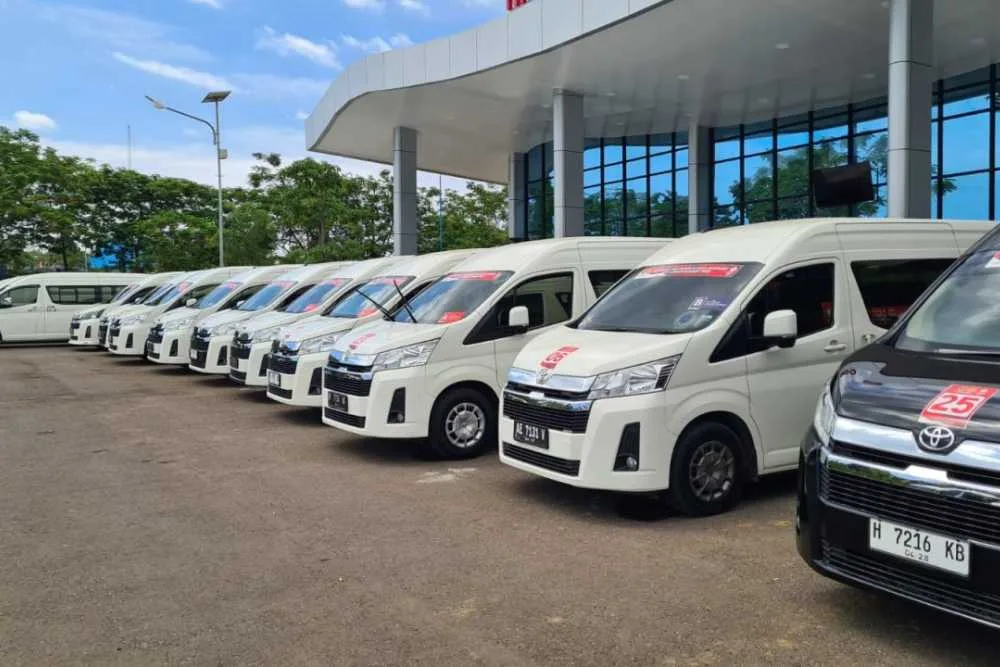
Impact and Opportunity Arise at the Same Time
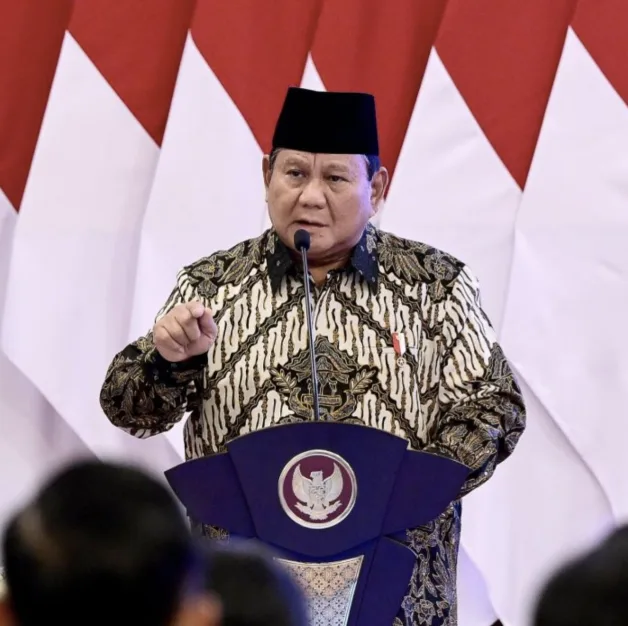
Currently, Indonesia under the Prabowo Subianto administration is undertaking various budget-saving efforts, particularly in the context of state spending efficiency. This austerity policy aims to optimize budget use, reduce the fiscal deficit, and ensure more targeted fund allocation, especially amid uncertain global economic challenges. Some of the steps taken include postponing or reducing projects deemed lower priority, improving spending efficiency across ministries/agencies, and tightening government expenditure.
Impacts:
- Increasingly Tight Competition — With reduced demand, car rental companies may compete more intensely to attract customers. This could trigger lower rental prices or improved services to draw consumer interest.
- Decreased Demand from the Government Sector — Government bodies and related agencies often use car rental services for official duties, projects, or operational activities. With budget cuts in place, demand from the government sector for car rental services is likely to decline, as government agencies become more selective in their operational spending.
- Effects on the Private Sector and Tourism — If the austerity policy affects overall economic growth, this could influence public purchasing power and the private sector. The car rental industry, which also depends on demand from the tourism and business sectors, may experience a drop in demand if economic activity slows down.
- Impact on Fleet and Investment — Car rental companies may become more cautious about expanding their fleets or making new investments, given the uncertainty in demand. This could slow down the growth of the car rental industry nationally.
The car rental industry in Indonesia can feel the impact of the government’s budget-saving policy, both directly and indirectly

Opportunities in New Markets
- Tourism Sector: Although budget cuts may affect the government sector, tourism remains a promising sector. Focus on tourist customers, both domestic and international, by offering car rental packages bundled with tour guides or interesting routes.
- Students and University Students: Provide special packages for students who need vehicles for study purposes or campus activities.
- Expatriates and Foreign Residents: Target expatriates or foreign nationals living in Indonesia who need vehicles for daily mobility.
- Corporate Partnerships: Build partnerships with companies that need operational vehicles, such as logistics companies, construction firms, or event organizers.
- Collaboration with Online Platforms: Partner with online travel or transportation platforms such as Traveloka, Tiket.com, or Grab to offer car rental services digitally.
- Partnerships with Car Dealerships: Work with car dealerships to offer rental packages as an alternative before customers decide to purchase a car.