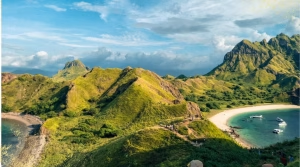

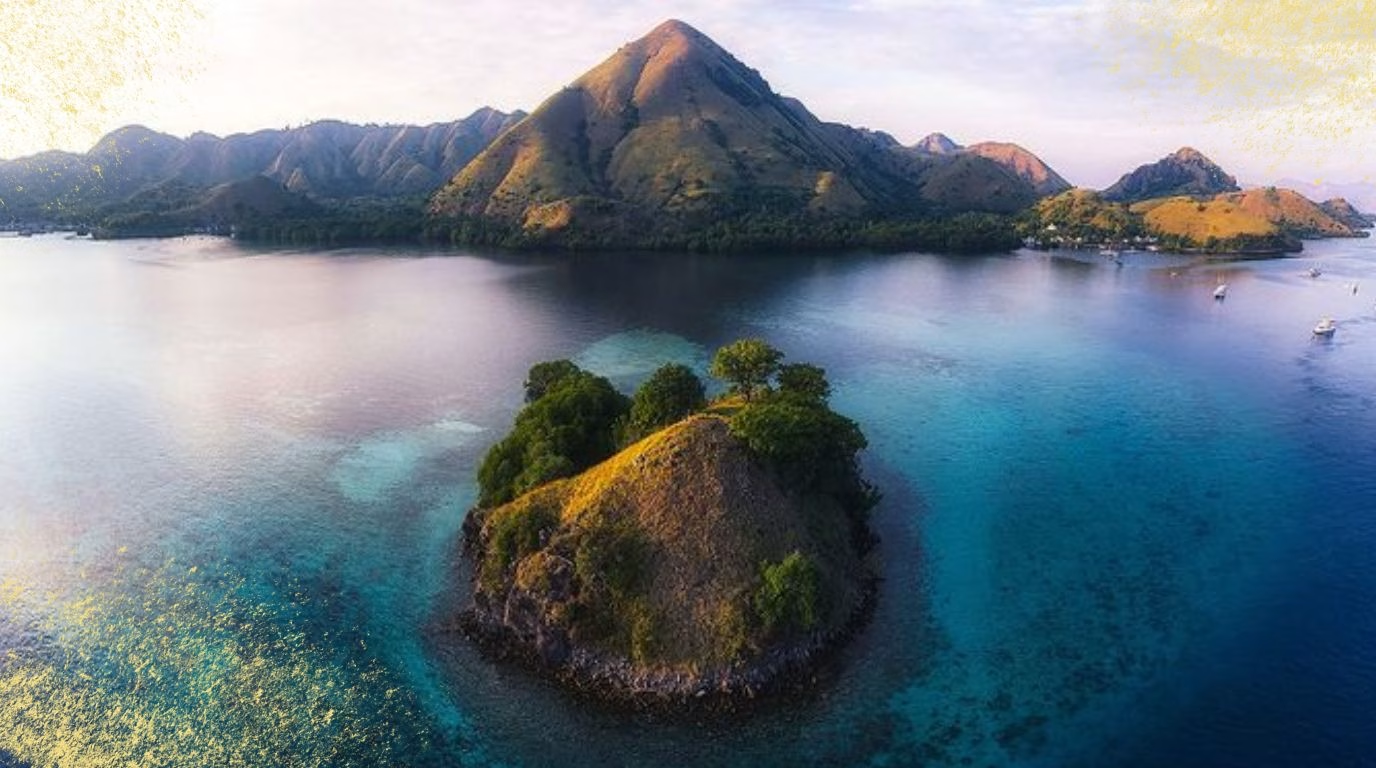
Timing shapes almost every part of a trip to Labuan Bajo, from how the islands look under the sun to how comfortable the boat rides feel. Among the different times of year to visit, the dry season stands out as the period most travelers aim for, and for good reason.
Still, choosing the right season is only half the equation. Knowing how to plan around it, what to expect, and where small adjustments make a big difference is what actually turns good timing into a smooth, enjoyable trip.
Why the Dry Season Draws So Many Travelers
Labuan Bajo experiences a clear seasonal pattern, with conditions shifting noticeably between wetter and drier months. During the dry season, skies tend to stay clearer, rainfall drops significantly, and the sea generally becomes calmer, all of which directly affect how enjoyable boat trips and outdoor activities feel.
This period tends to align with the months when island hopping, snorkeling, and hiking to viewpoints are at their most pleasant. Calmer water makes boat transfers smoother, while clearer skies improve visibility both above and below the surface, which matters greatly for underwater visibility during snorkeling or diving.
What Changes Compared to Other Times of Year
Outside the dry season, rougher seas and heavier rainfall can affect boat schedules more frequently, sometimes leading to delays or last-minute changes in itineraries. Wetter conditions can also make hiking trails more slippery and viewpoints less clear due to increased cloud cover.
During the dry season, these disruptions become far less common, though they are never entirely eliminated. Understanding this difference helps set realistic expectations, even during the more favorable months, since weather in this region can still shift unexpectedly from day to day.
Packing With the Season in Mind
Dry season conditions call for a slightly different packing approach compared to wetter months. Lightweight, breathable clothing works well given the consistently warm temperatures, while sun protection becomes especially important due to clearer skies and stronger sun exposure throughout the day.
A reliable hat, sunglasses, and high-quality sunscreen make a noticeable difference, particularly during full-day boat trips where shade can be limited. Reef-safe sunscreen is worth prioritizing as well, given how much time is typically spent snorkeling or swimming in areas with sensitive coral ecosystems.
Despite the drier conditions, packing a light rain jacket or cover is still worth considering. Even during the dry season, brief and unexpected showers can occur, and being prepared avoids unnecessary discomfort if weather shifts during a day trip.
Timing Your Days Around Peak Conditions
Even within the dry season, certain times of day tend to offer better conditions than others. Mornings are generally calmer, both in terms of sea conditions and temperature, making them ideal for boat departures and physically demanding activities like hiking to viewpoints.
By midday, heat intensifies considerably, particularly on exposed hikes with little shade. Scheduling more strenuous activities earlier in the day, then reserving midday hours for relaxed boat time or a break back in town, tends to make the overall experience more comfortable.
Afternoon light also shifts significantly compared to morning conditions, which matters for travelers interested in photography. Many iconic viewpoints look dramatically different depending on the time of day, so aligning your schedule with preferred lighting conditions can enhance both the experience and the photos you bring home.
Booking Considerations During Peak Season
Because the dry season attracts a significant number of visitors, popular activities and accommodations can fill up more quickly compared to quieter months. Boats, guides, and even certain viewpoints can feel considerably busier during peak weeks within this period.
Booking key activities in advance, rather than assuming availability upon arrival, helps avoid unnecessary stress once you are already in Labuan Bajo. This is particularly relevant for popular experiences like sunrise hikes or specific snorkeling and diving spots known for their calm conditions during dry months.
Travelers with flexible schedules may also find that visiting during the edges of the dry season, rather than its absolute peak, offers a reasonable balance between favorable weather and slightly smaller crowds.
Staying Comfortable Despite the Heat
Dry season travel often means consistently warm and sunny conditions throughout the day, which can be tiring if not managed carefully. Staying hydrated becomes especially important, particularly during long boat trips or hikes where shade is limited and sun exposure is constant.
Taking breaks in shaded areas when available, pacing physical activities rather than rushing through them, and allowing time to rest during the hottest hours of the day all contribute to a more comfortable overall experience. This is particularly relevant for hikes involving steep or exposed terrain, where heat can make exertion feel more intense than expected.
Making the Most of Clear Skies and Calm Seas
The biggest advantage of visiting during the dry season lies in how much more accessible certain experiences become. Calmer seas mean smoother transfers between islands, reducing the likelihood of discomfort during longer boat rides. Clearer skies improve both surface visibility for photography and underwater clarity for snorkeling and diving.
Travelers visiting during this period often find it easier to fit more activities into a single trip without weather-related disruptions forcing last-minute changes. This reliability allows for more confident planning, whether structuring a tightly scheduled itinerary or simply feeling more relaxed about day-to-day plans.
Balancing Popularity With Personal Preferences
While the dry season offers clear advantages, it is worth acknowledging that increased popularity comes with tradeoffs, particularly around crowd levels at well-known spots. Travelers who prioritize quieter experiences might consider adjusting expectations slightly, perhaps visiting popular viewpoints earlier in the morning to avoid larger groups later in the day.
Ultimately, the dry season remains the most practical choice for travelers prioritizing reliable weather and smoother logistics, even if it means sharing certain experiences with more fellow visitors than during quieter months.
Final Thoughts
Visiting Labuan Bajo during the dry season offers clear practical advantages, from calmer seas to more predictable weather overall. Making the most of this timing, however, still requires some thoughtful planning, whether that means packing appropriately, scheduling activities around peak conditions, or booking key experiences well in advance.
With the right preparation, dry season travel in this region tends to deliver exactly what most visitors hope for: clear skies, manageable seas, and the kind of reliable conditions that let you focus on enjoying the experience rather than worrying about the weather.
FAQ
- Why do most travelers prefer visiting Labuan Bajo during the dry season?
The dry season generally offers calmer seas, clearer skies, and more reliable weather overall, which makes boat trips, hiking, and snorkeling considerably more comfortable. - Should I still pack rain protection during the dry season?
Yes, brief and unexpected showers can still occur, so a light rain cover is a practical addition even during generally drier months. - What time of day is best for hiking to viewpoints during the dry season?
Early morning tends to offer cooler temperatures and calmer conditions, making it the most comfortable time for hikes compared to the more intense heat of midday. - Do I need to book activities in advance during the dry season?
It is highly recommended, since popular boats, guides, and viewpoints tend to fill up quickly during peak travel periods within the dry season. - Are crowds a significant concern when visiting during the dry season?
Popular spots can feel busier compared to quieter months, though visiting earlier in the day or considering the edges of the dry season can help balance good weather with smaller crowds.