

Ask most people what they know about Labuan Bajo, and the answer usually starts and ends with one thing: Komodo dragons. It makes sense. These prehistoric-looking reptiles draw travelers from every corner of the world, and seeing one in the wild is genuinely unforgettable.
But focusing only on the dragons means missing most of what this region actually offers. Labuan Bajo and the islands surrounding it hold a much wider range of experiences, from dramatic viewpoints to quiet beaches that rarely make it into travel brochures. This guide looks past the obvious headline attraction to highlight what else deserves a place on your itinerary.
Understanding the Bigger Picture First
Labuan Bajo serves as the main gateway to a much larger protected area rather than being a single attraction itself. The dragons live within Komodo National Park, a protected marine and terrestrial reserve made up of several major islands along with dozens of smaller ones scattered across the surrounding sea.
This distinction matters because the park was established to protect an entire ecosystem, not just one species. Coral reefs, volcanic landscapes, and a wide range of marine life all fall under the same protected status as the dragons themselves. Once you understand the park in that context, it becomes clear why so many other experiences exist within the same general area.
The Islands That Steal the Spotlight From the Dragons
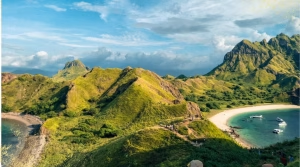
Padar Island has quietly become one of the most photographed spots in all of Indonesia, and for good reason. A steep but manageable hike leads to a viewpoint overlooking three distinct bays, each with sand of a slightly different shade. Sunrise here has become something of a pilgrimage for photographers and casual travelers alike.
Pink Beach offers a completely different kind of appeal. Its sand carries a subtle rosy tint, created by tiny fragments of red coral mixing with white sand over time. Beyond the color, the surrounding waters are known for calm, clear conditions that make it an easy spot for both swimming and snorkeling.
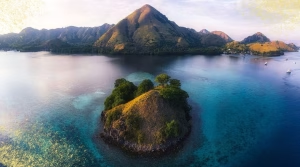
Kelor Island, smaller and less crowded than the more famous stops, rewards visitors with a short hike and a wide panoramic view over the surrounding sea. Because it receives fewer visitors, it often feels like a quieter alternative for travelers looking to escape the busier islands nearby.
Life Beneath the Surface
For many travelers, the underwater world around Labuan Bajo ends up being just as memorable as anything on land. The surrounding waters sit within the Coral Triangle, an area recognized for exceptional marine biodiversity.
Snorkeling and diving here reveal healthy coral gardens, colorful reef fish, and, in certain spots, manta rays gliding through open water. Some sites are shallow enough for beginners, while others cater to more experienced divers looking for stronger currents and deeper reef walls.
Even travelers who are not confident swimmers often find a way to experience this side of the region, since many boats offer flexible options ranging from short snorkeling stops to full-day diving excursions.
Caves, Hills, and Quiet Corners on Land
Not every worthwhile experience in this region happens on a boat. Just outside Labuan Bajo town, a limestone cave system offers an easy detour for travelers looking for something different from beaches and hiking trails. Stalactites and natural light filtering through cave openings create a striking contrast to the bright, sunny landscapes found elsewhere in the area.
Closer to town, several hillside viewpoints offer sweeping views over the harbor, especially appealing in the late afternoon as boats return from day trips and the sky begins to shift color. These spots require little more than a short walk or drive, making them an easy addition to any itinerary without needing a full day set aside.
Everyday Life in Labuan Bajo Town
It is easy to treat Labuan Bajo purely as a launching point for boat trips, but the town itself carries its own character worth exploring. Local markets offer a glimpse into daily life, with vendors selling fresh seafood, produce, and handmade goods.
Wandering through town in the early morning or evening reveals a slower rhythm than the busy boat harbor suggests. Small cafes and waterfront spots make for an easy place to relax after a day on the water, and casual conversations with locals often reveal recommendations that never appear in guidebooks.
Spending even half a day exploring the town on foot gives a more complete picture of the region, balancing the natural attractions with a sense of place and community.
Cultural Encounters Nearby
Traditional villages within reach of Labuan Bajo offer a window into customs that have persisted for generations. Some communities maintain distinctive architecture, communal houses, and rituals tied closely to their relationship with the land and sea.
Visiting these areas works best with a respectful mindset, treating the experience as an opportunity to learn rather than simply observe. Many communities welcome visitors who show genuine interest, and these interactions often become some of the most meaningful parts of a longer trip.
Why Broadening Your Itinerary Makes a Difference
Focusing solely on Komodo dragons risks turning a rich, varied region into a single checkbox experience. The park and its surroundings were shaped by volcanic activity, ocean currents, and centuries of human settlement, all of which left behind a landscape far more layered than one species alone could represent.
Travelers who set aside time for viewpoints, quiet beaches, underwater exploration, and cultural encounters tend to leave with a much fuller understanding of the region. The dragons remain a highlight, but they become one part of a larger story rather than the entire narrative.
Building a Well-Rounded Itinerary
A balanced trip usually includes at least one dedicated day for marine activities like snorkeling or diving, a separate outing focused on island viewpoints such as Padar or Kelor, and some unstructured time within Labuan Bajo town itself. Adding a cultural visit or a cave excursion, even briefly, rounds out the experience further.
This kind of variety also helps manage energy levels throughout a trip. Alternating between active days on the water and calmer days exploring on land tends to feel more sustainable than packing every single day with intense activity.
Final Thoughts
Komodo dragons will likely always be the name most associated with this part of Indonesia, and that recognition is well deserved. Yet reducing the entire region to a single animal overlooks everything else that makes it worth visiting.
From dramatic island viewpoints to quiet cultural encounters, Labuan Bajo and its surroundings offer a depth that rewards travelers willing to look beyond the obvious. The dragons might get you here, but everything else is likely to be what you remember most.
FAQ
- Is it worth visiting Labuan Bajo if I am not particularly interested in Komodo dragons?
Yes, the region offers a wide range of experiences, including island viewpoints, snorkeling, cultural visits, and coastal towns, all of which stand on their own regardless of interest in the dragons. - How many days should I set aside to see attractions beyond the dragons?
Most travelers benefit from at least three to four days, allowing time for island viewpoints, marine activities, and some exploration of the town itself. - Are the islands near Labuan Bajo suitable for travelers who are not strong swimmers?
Yes, many boat trips offer flexible activities, including shallow snorkeling spots and calm beaches, making them accessible even for less confident swimmers. - Is visiting local villages near Labuan Bajo appropriate for tourists?
It can be, as long as visitors approach these encounters respectfully and with genuine curiosity about local customs rather than treating them purely as a photo opportunity. - What is the easiest attraction to add to a short itinerary in Labuan Bajo?
A hillside viewpoint near town is often the easiest option, requiring only a short walk or drive while still offering a rewarding view over the harbor and surrounding landscape.