

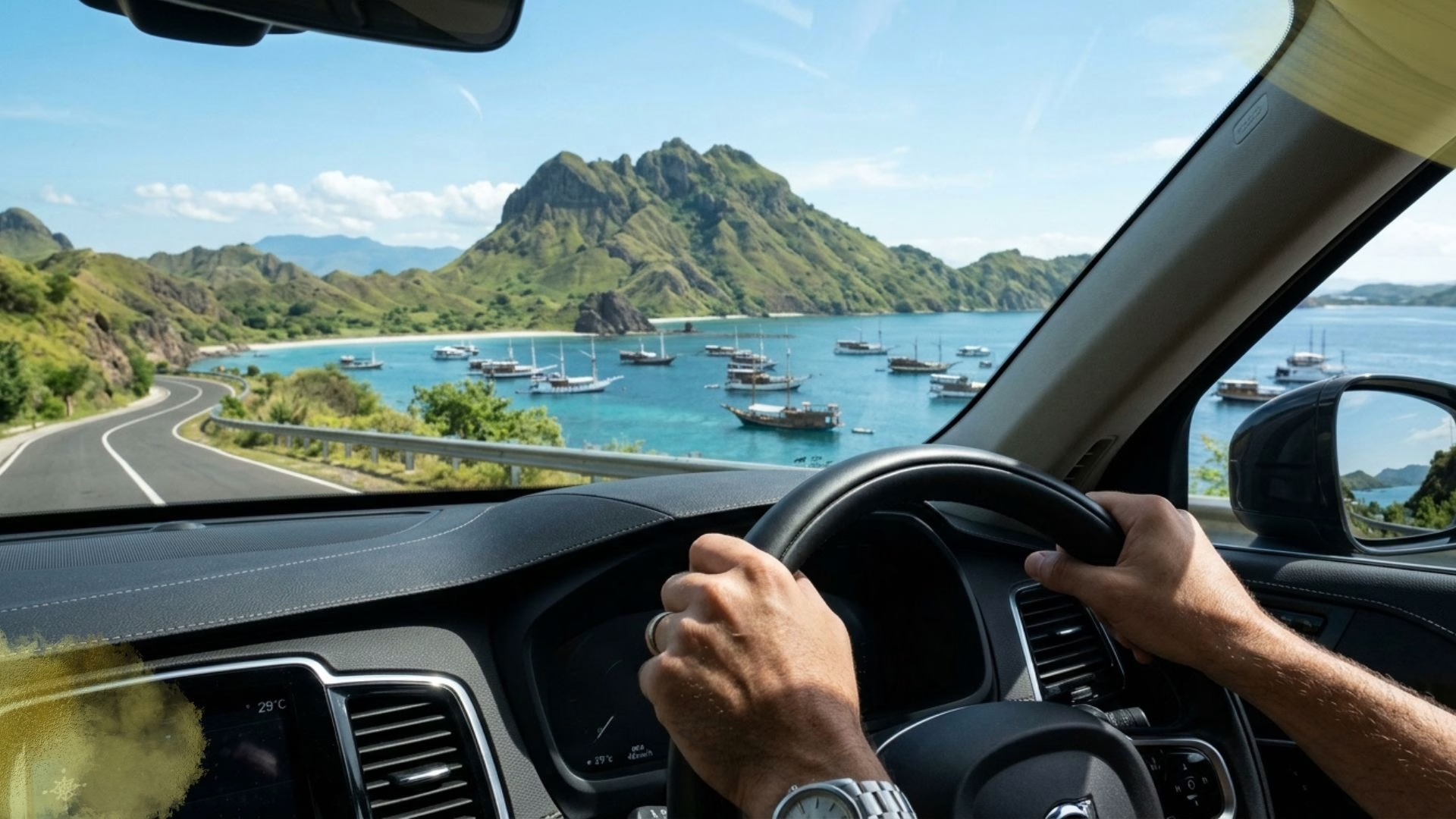
Indonesia is an exciting country to explore, but international travelers should understand the driving rules before getting behind the wheel. Roads, traffic habits, and legal requirements may feel very different from what many visitors are used to, so learning the basics first can make the trip safer and smoother.
For travelers who plan to drive in Indonesia, the most important point is simple: bring the right documents, follow local traffic laws, and stay alert at all times. Indonesia has its own road culture, and while it is manageable for foreign visitors, it rewards patience, caution, and respect for the rules.
Why Driving Rules Matter
Driving in a new country is not only about knowing how to operate a car or motorcycle. It is also about understanding local road behavior, legal obligations, and what authorities expect from foreign drivers. In Indonesia, this matters even more because traffic can be busy, motorcycles are everywhere, and road conditions can change from one area to another.
International travelers who prepare properly can avoid fines, delays, and unnecessary stress. They can also reduce the risk of accidents, which is especially important in unfamiliar traffic environments. A good understanding of the rules helps you stay confident and travel more responsibly.
License Requirements
Foreign travelers generally need a valid driving license from their home country, and many visitors also carry an International Driving Permit as a translation document. This is especially important because local authorities may ask to see proof that you are legally allowed to drive. For longer stays, travelers may need to arrange a local Indonesian driving license depending on their visa type and length of stay.
It is always wise to keep your original license with you, along with your passport or a copy of your identification page. If you plan to drive, check that your license covers the vehicle type you want to use, whether that is a car or a motorcycle. Driving without the correct documents can create legal problems very quickly.
Left Side Driving
Indonesia drives on the left side of the road, which is important for visitors from right-side driving countries. This affects everything from turning and overtaking to entering roundabouts and parking safely. If you are not used to left-side driving, take extra time to adjust before entering busy roads.
The steering wheel position, lane discipline, and traffic flow may feel unfamiliar at first. That is why many travelers prefer to spend a little time getting comfortable before driving in dense urban traffic. A calm start is better than trying to adapt under pressure.
Traffic Behavior
One of the biggest surprises for many visitors is the amount of motorcycle traffic on Indonesian roads. Motorcycles often move quickly, change lanes frequently, and appear from many directions, so drivers must stay highly aware. Road conditions may also include narrow lanes, sudden stops, pedestrians, animals, and vehicles parked partly on the roadside.
Because of this, defensive driving is essential. Always check mirrors carefully, signal early, and avoid making sudden moves without warning. Predictability is one of the best habits you can have behind the wheel in Indonesia.
Speed And Signals
Speed limits vary depending on the road type, area, and local conditions. In cities, slower speeds are usually expected, while larger roads and toll roads allow faster travel. However, the safest approach is to drive based on road signs and surrounding traffic rather than assuming one universal number applies everywhere.
Traffic lights and road signs should be followed carefully, even if some local drivers appear less strict than the rules suggest. Red lights mean stop, and road markings should be treated seriously. International travelers should not assume that common traffic habits from home will work the same way in Indonesia.
Helmets And Seat Belts
Seat belts are required for car occupants, especially those in the front seats. Motorcyclists and passengers should always wear helmets, and this is not something to treat as optional. Even short rides can become dangerous without proper protection.
If you are renting a vehicle, inspect whether the seat belts, helmets, lights, and brakes are in proper condition before leaving. Safety gear is not just for compliance; it is part of basic travel protection. Small precautions can make a major difference on busy or unpredictable roads.
Alcohol And Safety
Indonesia has strict expectations when it comes to sober driving. Travelers should avoid alcohol entirely before driving because road safety enforcement can be serious and penalties can be severe. Even small mistakes become more dangerous when combined with unfamiliar roads or weather.
The safest rule is also the simplest one: do not drive after drinking. For international travelers, this is especially important because local traffic already demands a high level of attention. Staying sober keeps both legal and personal risks much lower.
Motorcycle Rules
Motorcycles are common in Indonesia, but that does not mean they are automatically easy or safe for visitors. If you plan to ride one, make sure your license allows it and that you are confident handling the vehicle in local traffic. Do not treat motorbike travel as a casual shortcut if you are not experienced.
Wear a helmet at all times, avoid risky overtaking, and stay alert to traffic coming from the sides. Indonesian roads can be busy even outside major cities, and motorcycles often move through tight spaces. A careful rider is usually safer than a fast one.
Parking And Road Use
Parking in Indonesia can be different from what many international travelers expect. In some places, roadside parking is common, while in others you should only use designated spaces. Always look for signs, painted markings, or local guidance before leaving your vehicle.
It is also important not to block traffic, entrances, or pedestrian space. Roads can already be narrow, so a poorly parked vehicle can cause problems quickly. Respectful parking is part of respectful driving.
Rainy Season Caution
Weather can affect driving conditions significantly, especially during the rainy season. Roads may become slippery, visibility may drop, and flooding can happen in some areas. Drivers should slow down, avoid sudden braking, and allow extra travel time when conditions are poor.
If the rain becomes heavy, it is often wiser to wait than to force a trip through unsafe conditions. Flooded roads can hide potholes or deeper water than expected. Patience is a practical safety tool in Indonesia.
Police And Documents
Travelers should keep their driving license, passport, and vehicle documents with them when driving. If police request identification, having documents ready makes the process much smoother. If you are using a rental vehicle, make sure the paperwork matches the vehicle and your permission to drive it.
It is also smart to keep emergency contact details saved in your phone. In the event of a breakdown or minor incident, staying organized helps you respond more calmly. Being prepared is often the difference between a small inconvenience and a stressful situation.
Practical Driving Tips
Start your drive slowly and allow time to get used to local conditions. Avoid driving at night if you are unfamiliar with the area, because visibility, road markings, and traffic behavior can be harder to read after dark. Stay alert for scooters, pedestrians, and unexpected lane changes.
Always assume that another road user may move suddenly, and leave enough space to react. Use your mirrors often, keep your speed moderate, and avoid aggressive driving. In Indonesia, calm and careful driving is usually the safest strategy.
Final Advice
For international travelers, driving in Indonesia is possible, but it should never be approached casually. The key rules are clear: carry the proper license, drive on the left, wear safety gear, obey traffic signals, and stay sober. Once you understand the road culture, the experience becomes much more manageable.
The best travel mindset is to stay alert, patient, and respectful of local conditions. With the right preparation, driving can be a useful part of your journey rather than a source of stress.
FAQ
1. Can I drive in Indonesia using only my home country’s driver’s license?
No. Driving solely on a home country licence without an accompanying International Driving Permit is not permitted, as Indonesia has not ratified the 1949 Geneva Convention on Road Traffic. Your foreign driver’s license by itself will not be accepted by Indonesian authorities — you must carry both your home license and a valid IDP at all times.
2. How long is my International Driving Permit valid for use in Indonesia?
This arrangement is valid for up to six months and cannot be extended locally, though some sources note IDPs may be recognized for up to twelve months depending on the format. Once that window closes, or if you already hold KITAS temporary residency status, you are legally obliged to obtain a local SIM.
3. What happens if I’m caught driving without an IDP?
Operating a vehicle without an IDP may attract fines of up to IDR 1,000,000 (approximately USD 65) or vehicle impoundment. If stopped by traffic police, you must show your vehicle registration, national license, and IDP — missing any of these typically results in a separate fine per missing document.
4. Can I rent and ride a scooter in Indonesia with just a car license?
No. You need a separate motorcycle license category — your IDP must specifically include motorcycle categories to legally ride a scooter. If your national license doesn’t specifically cover motorbikes, your IDP won’t either, meaning you can only drive vehicle types your home country’s license allows.
5. Do digital copies of my license and IDP count, or do I need physical documents?
Physical documents are required. Digital copies on your phone are not accepted — Indonesian authorities and rental companies require the physical license card. Always carry the original printed documents rather than relying on photos or PDFs saved on your device.